




PVC Sticker Labels: The Perfect Blend of Durability and Creative Design
Not all labels are created equal. In harsh environments—scorching heat, freezing cold, constant moisture, or chemical exposure—ordinary paper labels fail. They curl, peel, fade, or simply fall off. This is where PVC sticker labels shine. Engineered for toughness, PVC labels combine exceptional durability with remarkable creative flexibility, making them the go-to choice for demanding applications where performance cannot be compromised.
From the blazing rooftops of desert solar farms to the sub-zero depths of冷链 warehouses, waterproof PVC labels and high temperature resistant PVC stickers deliver reliable identification year after year. But durability is only half the story. PVC's unique material properties also enable stunning visual effects—metallic finishes, translucent overlays, embossed textures—that elevate branding and product presentation.
This article explores the material advantages of PVC labels, their critical applications in extreme environments, and emerging trends toward sustainability and smart labeling.

What Makes PVC Labels Different?
PVC (polyvinyl chloride) is a synthetic plastic polymer that has been used for decades in applications ranging from piping to electrical insulation. As a label material, PVC offers a distinctive property set:
-
Exceptional durability: PVC resists tearing, puncturing, and abrasion far better than paper or even many other synthetic materials.
-
Weather resistance: Unlike paper, PVC does not absorb moisture. It withstands rain, humidity, and even direct water immersion without swelling, curling, or delaminating.
-
Temperature tolerance: High temperature resistant PVC stickers remain stable from sub-freezing cold up to 80-100°C (176-212°F), depending on the specific formulation and adhesive.
-
Chemical resistance: PVC resists many oils, solvents, dilute acids, and alkalis, making it suitable for industrial and chemical environments.
-
Flexibility: PVC labels conform to curved, irregular, or textured surfaces better than rigid materials.
-
Printability: PVC accepts a wide range of printing methods (screen, digital, flexo, thermal transfer) and finishes (gloss, matte, metallic, clear).
These properties make durable PVC labels the material of choice when a label must survive where others cannot.
Critical Applications for PVC Labels
Construction Sites and Heavy Equipment
A summer construction site is a label's worst nightmare. Temperatures soar past 40°C (104°F). Equipment vibrates constantly. Dust and grit abrade surfaces. Rain and dew add moisture. Ordinary paper safety labels or equipment ID tags quickly become illegible—or detach entirely.
PVC labels solve this problem. Consider a hydraulic excavator working on a desert highway project. Its hydraulic fluid reservoir carries a warning label: "Use only ISO VG 46 hydraulic oil." That label must remain readable for the machine's multi-year service life. A construction site label made from PVC, printed with UV-resistant inks and bonded with high-temperature acrylic adhesive, will survive the heat, vibration, dust, and occasional pressure washing.
Similarly, equipment serial number plates, safety instruction decals, and inspection stickers all benefit from PVC's ruggedness.
Solar Panel Identification in Desert Environments
Solar farms in deserts (e.g., the Atacama in Chile, the Gobi in Mongolia, or the Mohave in the US) present an extreme labeling challenge. Panels sit in direct sunlight for 10+ hours daily. Surface temperatures can reach 85°C (185°F) or higher. UV radiation is intense. Sandstorms cause abrasion. Yet each panel needs a permanent identification label—manufacturer, model, serial number, electrical ratings, certification marks.
Solar panel labels made from high temperature resistant PVC stickers with UV-stable pigments and permanent acrylic adhesives are designed for precisely this environment. They do not yellow, crack, or delaminate under prolonged UV exposure. The adhesive maintains its bond even at extreme temperatures. The printing remains legible for the panel's 20-25 year operational life.
For maintenance crews working across thousands of panels, these durable labels enable quick identification and replacement tracking. A faded or missing label would mean time wasted searching for documentation—or worse, incorrectly servicing a panel.
Cold Chain Packaging
At the opposite temperature extreme, cold chain labels face freezing conditions, condensation, and often rough handling. Frozen food packaging, pharmaceutical shipments, and cold-chain logistics require labels that remain attached and legible at temperatures as low as -40°C (-40°F).
Standard paper labels become brittle and crack at freezing temperatures. Adhesives lose their tack. Cold-resistant PVC labels with specialized low-temperature adhesives solve these problems. The PVC facestock remains flexible, so it moves with the package without cracking. The adhesive maintains bond strength, preventing labels from peeling off in freezer storage.
Applications include:
-
Frozen vegetable bag seals
-
Vaccine vial labels (stored at -20°C to -80°C)
-
Ice cream carton branding
-cold-chain shipping labels that must survive temperature swings from freezer to thaw
Chemical and Industrial Packaging
Chemical plants, laboratories, and industrial facilities handle substances that would destroy ordinary labels. Solvents, oils, acids, and alkalis can dissolve paper, smear inks, and attack adhesives. Chemical resistant labels made from PVC provide a barrier against many common industrial chemicals.
A drum of industrial cleaner, for example, carries a label listing hazards, first aid measures, and ingredient information. That label must remain intact even if the drum's exterior is splashed with its contents during dispensing. Chemical resistant PVC stickers resist attack from many solvents and dilute acids, keeping critical safety information readable.
For GHS (Globally Harmonized System) hazard labels, PVC is a common choice due to its durability and chemical resistance.

The Creative Side of PVC Labels
Durability is essential, but PVC labels also offer remarkable creative possibilities. Because PVC can be manufactured in clear, white, metallic, or colored versions, and can accept a wide range of finishes, designers have significant freedom.
Clear PVC Labels (No-Look Stickers)
Clear PVC stickers create a "no-label" look, where the graphic appears to float directly on the product surface. This is particularly popular for:
-
Glass bottles (wine, spirits, premium beverages)
-
Cosmetic jars and tubes
-
Electronics with brushed metal or glossy finishes
-
Automotive windows (registration stickers, dealer decals)
The clear film disappears against transparent or glossy backgrounds, allowing the product itself to show through.
Metallic and Brushed Finishes
PVC can be manufactured with metallic effects—gold, silver, bronze, copper—or brushed metal textures. These custom PVC stickers provide a premium, high-end appearance at a fraction of the cost of actual metal nameplates. Applications include:
-
Brand logos on appliances
-
Serial number plates on machinery
-
Gift box seals for luxury products
-
Electronics brand badges
Embossed and Textured PVC Labels
Some PVC label constructions allow for embossed (raised) or debossed (recessed) textures, adding a tactile dimension to the design. This is achieved through specialized tooling and lamination processes. Embossed PVC labels are used for:
-
Braille signage (accessible warning labels)
-
Premium product badges (e.g., automotive emblems)
-
Decorative stickers requiring a 3D effect
Fluorescent and Reflective PVC
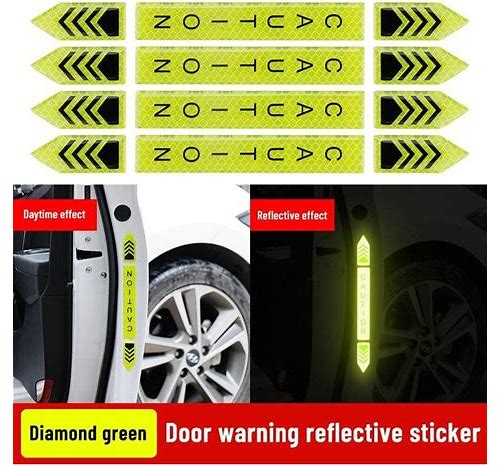
For safety and high-visibility applications, PVC labels can be manufactured with fluorescent colors or reflective sheeting. These are common for:
-
Emergency equipment labels
-
Warehouse floor markings
-
Vehicle safety decals
-
Outdoor warning signs
Adhesive Selection: The Critical Partner
Even the best PVC label will fail with the wrong adhesive. For demanding environments, adhesive selection is as important as facestock selection.
| Environment | Recommended Adhesive Type |
|---|---|
| High temperature (80-120°C) | High-temp acrylic (cross-linked) |
| Low temperature (down to -40°C) | Low-temp acrylic or specialized rubber |
| Outdoor/UV exposure | UV-resistant permanent acrylic |
| Chemical exposure | Chemical-resistant acrylic |
| Condensation/moisture | Waterproof acrylic |
| Rough/ textured surfaces | High-tack or thick-coat adhesives |
For construction site labels or solar panel labels, a high-temp acrylic adhesive with UV stability is typically specified. For frozen food applications, a low-temperature acrylic maintains flexibility and tack below freezing.
Emerging Trends: Sustainability and Smart Labels
The label industry is evolving, and PVC is part of that evolution. Two major trends are shaping the future of PVC sticker labels.
Trend 1: Eco-Friendly and Recyclable PVC
Traditional PVC has faced environmental criticism due to its chlorine content and challenges with recycling. However, the industry has responded with innovations:
-
Recycled PVC (rPVC):Made from post-industrial or post-consumer PVC waste, rPvc Significantly reduces the carbon footprint of label production. Performance matches virgin PVC for many applications.
-
Dechlorinated PVC: New manufacturing processes reduce chlorine content or eliminate problematic plasticizers, making the material less environmentally harmful.
-
Recyclable PVC label programs: Some manufacturers now offer take-back programs for used PVC liner waste, ensuring it is recycled rather than landfilled.
While fully biodegradable PVC does not yet exist at commercial scale, eco-friendly PVC labelsusing recycled content and cleaner chemistry are increasingly available.
Trend 2: Smart Labels with RFID and NFC
The second major trend is the integration of smart technologies. Intelligent PVC labels incorporate RFID (radio-frequency identification) or NFC (near-field communication) chips within the label construction.
Because PVC is durable and weather-resistant, it is an excellent encapsulation material for these sensitive electronics. Applications include:
-
Asset tracking: Heavy equipment with embedded RFID tags can be scanned automatically at job sites or warehouse gates.
-
Anti-counterfeiting: Luxury goods or high-value industrial components carry NFC-enabled PVC labels that consumers can tap with their phones for authenticity verification.
-
Cold chain monitoring: Some smart labels include temperature sensors that record whether a pharmaceutical shipment exceeded allowed limits during transit.
As the Internet of Things (IoT) expands, smart PVC labels will become increasingly common.
Customization: Making PVC Labels Your Own
One of the greatest strengths of PVC labels is their customizability. Whether you need 1,000 labels or 100,000, you can specify:
-
Shape: Any die-cut shape, from simple rectangles to complex contours matching your product silhouette.
-
Size: From tiny 5mm diameter dots to large 300mm panels.
-
Color: Pantone-matched solids, CMYK process printing, metallic effects, or clear.
-
Finish: Gloss, matte, satin, textured, or embossed.
-
Adhesive: Permanent, removable, high-temp, low-temp, chemical-resistant.
-
Lamination: Additional protective layer for extreme abrasion or UV exposure.
-
Printing: Thermal transfer (for variable data like serial numbers), digital (for short runs), or screen printing (for high-volume solid colors).
For custom PVC stickers used in branding applications, digital printing enables short runs and fast turnarounds without tooling costs. For large-scale industrial orders, screen printing or flexography offers lower per-unit costs.
Conclusion: Small Label, Big Capability
The humble label often goes unnoticed—until it fails. When a safety warning peels off a piece of heavy equipment, when a barcode becomes unreadable on a frozen food package, when a serial number fades from a solar panel—the consequences range from inconvenience to serious safety risk.
PVC sticker labels are designed to prevent those failures. Waterproof, tear-resistant, temperature-tolerant, and chemically resistant, durable PVC labels deliver reliable identification in the harshest environments on Earth—from desert construction sites to frozen warehouses, from chemical plants to solar farms.
But PVC is not just tough. It is also creative. Clear, metallic, embossed, and fluorescent options give designers the freedom to create stunning visuals that enhance branding and user experience. Combined with emerging trends like recycled PVC content and embedded RFID intelligence, custom PVC stickers are evolving to meet the demands of a more sustainable and connected world.
Whether you need a label for a construction excavator, a solar panel, a frozen pizza box, or a luxury perfume bottle, PVC delivers the perfect blend of durability and creativity. Small in size, mighty in performance—the PVC label punches far above its weight class.
Ready to equip your products or equipment with labels that last? Contact us to explore PVC labelstailored to your specific environment, shape, color, and smart feature requirements. From prototype to production, we have the solution that sticks.